Native American Rights Fund (NARF)
Recent News About Native American Rights Fund (NARF)
-

The Siletz Tribal Charitable Contribution Fund (STCCF) continues its support of the Native American Rights Fund’s (NARF) law clerk program, which aims to train future legal advocates for tribal nations.
-
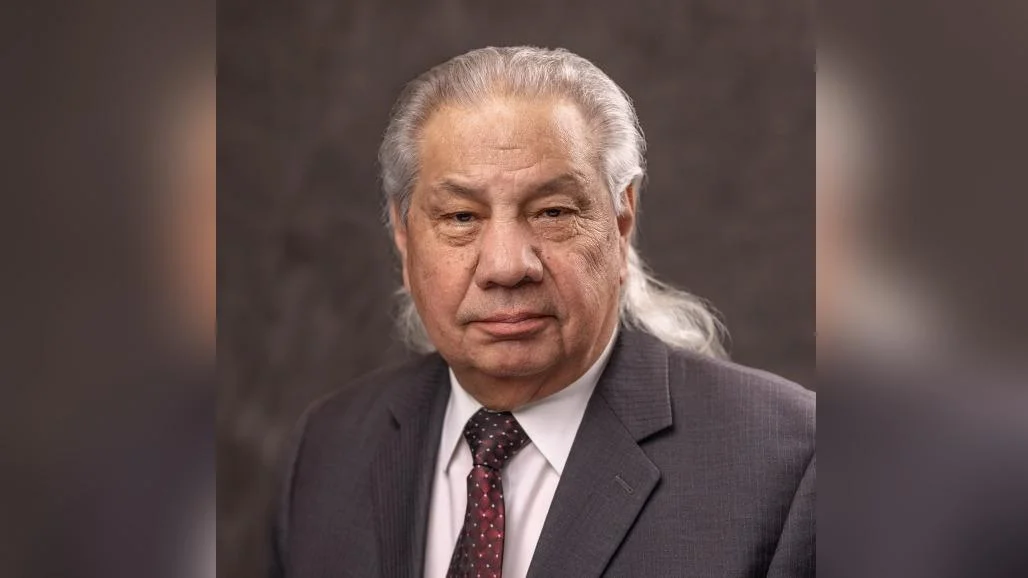
Since 1978, Congress has approved thirty-five Indian water rights settlements, with an additional four approved administratively by the United States Departments of Justice and Interior.
-
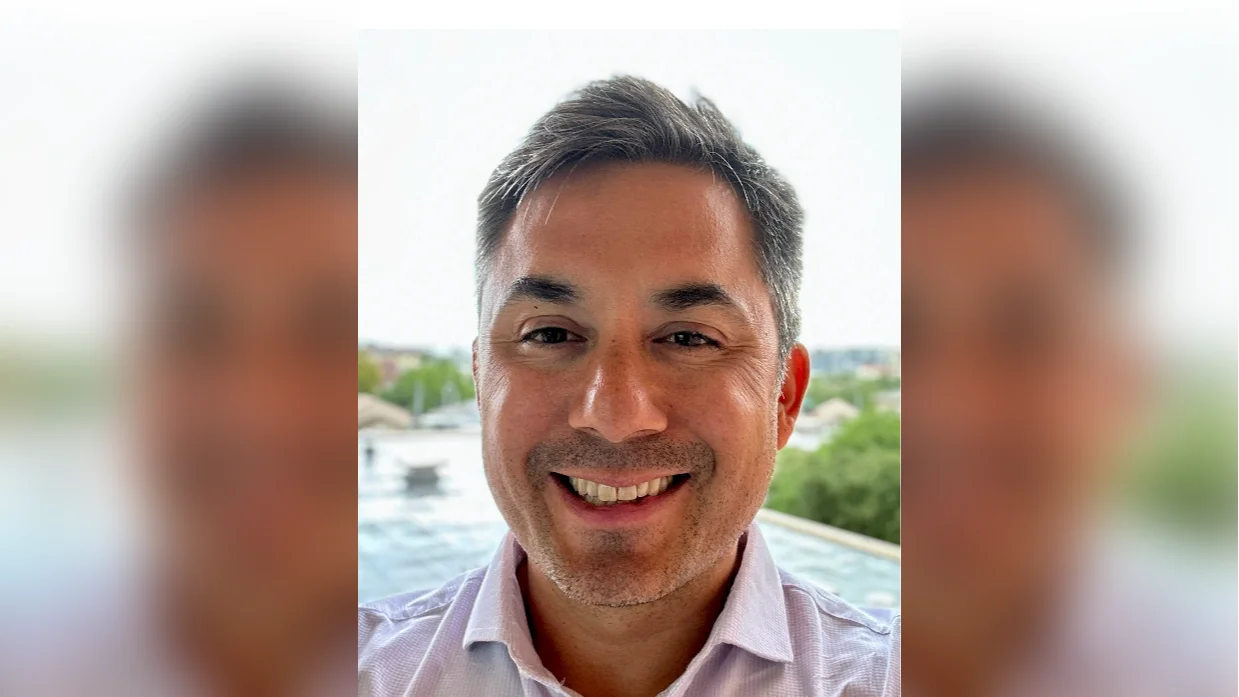
Shinnecock Tribal citizens are currently engaged in a legal battle to affirm their aboriginal fishing rights in Long Island, New York.
-

The Native American Rights Fund (NARF) and the Western States Water Council (WSWC) are set to host a virtual symposium on August 6, 2025.
-

Ann Coulter, a well-known pundit, recently made a controversial statement on X (formerly Twitter), saying "we didn’t kill enough Indians."
-
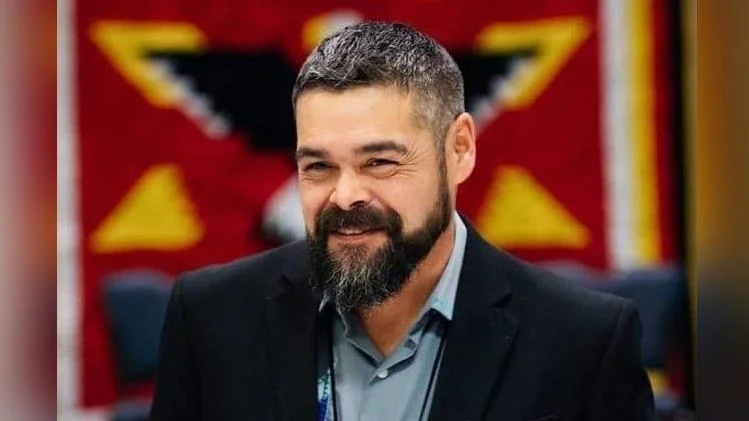
For many years, Native children have experienced school events where their identities were misrepresented through offensive mascots and chants.
-
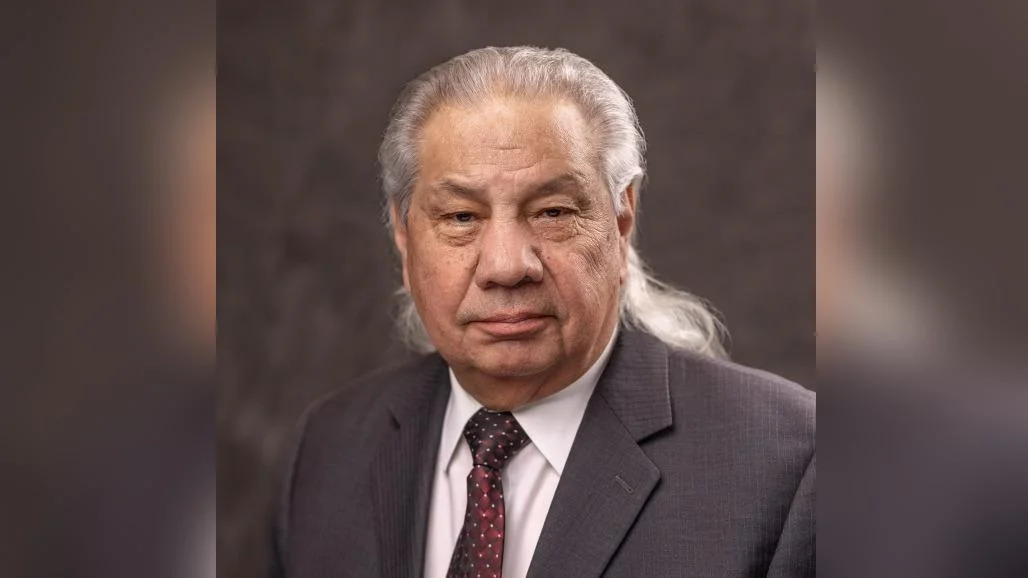
This year marks the 60th anniversary of the Voting Rights Act of 1965, a significant milestone in the civil rights movement aimed at eliminating racial discrimination in voting.
-

I recently had the opportunity to speak with John Echohawk, Executive Director and Co-Founder of the Native American Rights Fund (NARF), about the organization's longstanding involvement in water rights issues.
-

On June 2, 1924, the Indian Citizenship Act was enacted, granting U.S. citizenship to Native people.
-
The first 100 days of President Trump's second term have been marked by significant executive actions.
-

The Native American Rights Fund (NARF) has released its 2024 Annual Report, offering a comprehensive overview of the organization's activities and achievements over the past year.
-

National monuments serve as significant cultural and natural landmarks, cherished across political and demographic lines in the United States.
-

The Implementation Project (TIP), a collaboration between the Native American Rights Fund and Colorado Law, will be engaging in the UN Permanent Forum on Indigenous Issues (UNPFII).
-

The proposed SAFE Act, H.R. 22 / S. 128, could have significant implications for Native voters, particularly those in rural or remote locations.
-

The Oklahoma Statewide Charter School Board and St. Isidore of Seville Catholic Virtual School have invoked federal Indian boarding schools as examples of federal funding for religious education in the ongoing U.S. Supreme Court case, Oklahoma...
-

In 1971, the National Indian Law Library (NILL) was established by the Native American Rights Fund (NARF) to serve as a central clearinghouse on Indian law.
-

Four Michigan Tribal Nations and environmental advocates have appealed to the Michigan Supreme Court, seeking to reverse a lower court's decision that supported the Michigan Public Service Commission's permit for the Line 5 tunnel project.
-

Six Michigan tribes have withdrawn from federal discussions regarding the Line 5 oil tunnel project, expressing concerns over the US Army Corps of Engineers' potential fast-tracking of the project's approval.
-

On World Water Day, the launch of the Headwaters Report was announced.
-

Sixteen Tribal Nations across Washington, Oregon, Idaho, and Montana, along with the Affiliated Tribes of Northwest Indians (ATNI), have taken a stand in support of the Swinomish Indian Tribal Community in their legal battle against BNSF Railway Co.