Jason R. Bowie, Cabinet Secretary | New Mexico Department of Public Safety
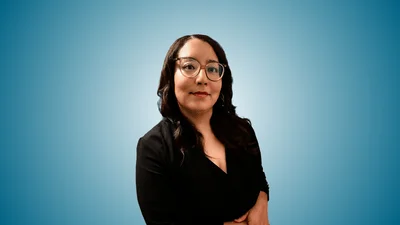
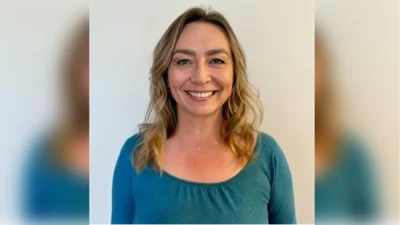
The New Mexico Department of Public Safety Forensic Laboratory has expanded its administrative team by hiring two forensic law clerks, Renea Rodriguez and Norianna Quinones, to manage subpoenas, discovery requests, and other legal documents across its three lab locations in Santa Fe, Las Cruces, and Hobbs. This move is intended to streamline the handling of legal matters for over 300 law enforcement agencies and 13 judicial district courts statewide, as well as federal prosecutors.
Rodriguez and Quinones are responsible for organizing all incoming subpoenas and legal requests. They verify case details and coordinate with laboratory scientists to schedule pre-trial interviews and court appearances efficiently. Lab Director Katharina Babcock commented on the impact of these positions: “We’re far more efficient than before we hired these positions two years ago. They bring immense skills and experience in the legal field, which has allowed our forensic scientists to focus on their work and not on scheduling and responding back to courts, prosecutors and defense attorneys.”
Before these roles were created, forensic scientists managed their own subpoenas. For example, members of the Chemistry Unit sometimes received more than ten subpoenas per week each, requiring them to spend significant time on scheduling instead of scientific analysis. Adam Wolff, a forensic scientist at the Santa Fe lab, noted: “With Renea and Norianna here, all that work is cut from the scientists time, and we can get back to our main focus, which is casework. They can quicky and easily follow-up with the District Attorneys for the status of each case and learn whether we must travel to testify. Renea and Norianna are a great asset to the team. It is amazing that even though the forensic law clerks are stationed in Santa Fe, their work covers the scientists from Las Cruces and Hobbs too.”
Travel inefficiencies have also been reduced; previously it was common for scientists to travel several hours only to find their testimony was no longer needed. Now such occurrences are rare due to regular communication between Rodriguez, Quinones, district attorneys’ offices, and other legal entities.
“These positions serve as a significant asset to the laboratory’s mission,” said Quinones. “It frees up a lot of time for the scientist to be in the lab doing analysis and testing, rather than sitting at their computers and going back and forth on scheduling and trying to figure out what trials they need to show up for and when.”
Quinones stated that processing nearly 300 subpoenas monthly saves substantial time for laboratory staff: “That is a significant amount of work taken off of the scientists, which frees up time to process evidence more quickly to get justice for the community,” she said.
Steve Guerra from the Firearms and Toolmarks Unit echoed this sentiment: “Norianna and Renea always display a positive and sincere attitude to assist scientists in any court situation. They go out of their way to minimize the disruption that court appearances can be in our lives. They do it in a way that also meets the court’s needs without any conflicts. Testifying in court is our final responsibility in most cases that we work. Norianna and Renea are an integral part of how we can accomplish this goal.”
Together Rodriguez and Quinones bring over five decades of combined experience from previous roles including private law firms, state offices dealing with family law or administrative hearings, as well as prosecutorial offices.
“This was something that was created from the bottom up,” said Rodriguez about establishing these clerk positions. “It feels good to work here. It’s fun, exciting and soothing – a relief to accomplish what we’re doing here.”
Rodriguez described how she collaborated with her predecessor (who Quinones replaced) two years ago on developing an organizational system using color-coded spreadsheets tailored by location.
“Thank God for my colleague Norianna when she was hired. We really work well together. We respect one another, our knowledge and what we bring to the table. It makes this job more enjoyable when you have a colleague who has your back, you have her back.”
Quinones reflected on her transition after many years working with a district attorney’s office: “I had 18 years in and no intentions to leave... I applied [to DPS] thinking I could always turn it down if offered... My dad advised me to do it... honestly it was the best thing I’ve ever done.” She added that finding balance outside work has been possible since joining DPS: “It has been amazing. I go home happy... We are always happy... And what do you think makes it an amazing place to work? Having great people to work with... Some of the scientists come tell us ‘you guys brighten the office’... We take our job very seriously... but you also must enjoy the environment at the same time.”
Part of their responsibilities includes enforcing protocols around pre-trial interview scheduling while maintaining efficiency so scientists meet both laboratory duties and court obligations.
“I always refer to if you give a mouse a cookie (that they would want another cookie),” said Quinones regarding making exceptions; she emphasized consistency except under rare circumstances.
Rodriguez illustrated some logistical challenges faced during heavy subpoena periods: “There’s turmoil for a while because everybody wants Forensic Scientist Supervisor Eric Young… With our spreadsheet showing all the green color subpoenas for Santa Fe… how is Eric supposed to be in Alamogordo when he’s supposed to be in Taos or Las Cruces… Or Socorro when he’s supposed to be in Bernalillo?... Our scientist are not machines or Superman where they can fly from one spot to another so we must be their reason…”
She explained how they prioritize requests based on order received while coordinating with DA offices so travel schedules remain manageable.
Additionally Rodriguez said they check-in before/after trips especially with female colleagues traveling long distances alone: “We’re like Mother Hens because we want to make sure our scientists get to designated location… With our female scientists in particular…”
The creation of these clerk roles reflects efforts by DPS Forensic Laboratory leadership toward improved efficiency while supporting both staff welfare and public service outcomes.