Albuquerque’s west side includes large pockets where families struggle to access affordable, healthy food. The Rio Grande Food Project sits in the middle of this “food desert,” where residents often rely on fast food or gas station markets instead of full grocery stores.
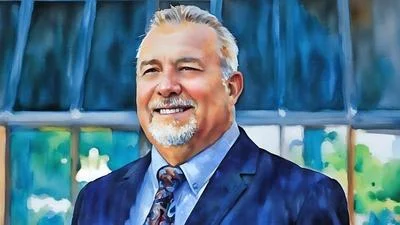
Kathi Cunningham, the organization’s development director and garden manager, says their mission is to ensure neighbors are fed while helping them build long-term food security.
The Food Project began 36 years ago as a small outreach of Rio Grande Presbyterian Church. It soon grew into a standalone 501(c)(3) as the need increased, though it still shares space with the congregation at 600 Coors Boulevard.
Cunningham says the pantry serves low-income residents under federal guidelines but emphasizes that help is open to anyone in crisis. “It’s self-declared,” she says. “We really don’t turn anybody away.”
Clients come with a range of challenges—grandparents raising grandchildren, seniors on fixed incomes, families recovering from medical emergencies, veterans, and individuals living one paycheck away from disaster. Cunningham notes that nearly half of visitors show up only once or twice a year. “One major disaster… and you’ll find yourself in line at a food pantry,” she says.
Volunteers make the work possible. Many have served for a decade, packing boxes, registering clients, and tending the garden every Wednesday, Friday, and Saturday. Companies also bring employee groups, especially during the growing season.
Cunningham, who partners with Albuquerque Master Gardeners and Bernalillo County Master Composters, says clients can join open garden hours to learn simple skills. “Maybe a tomato plant in your backyard,” she says. “Come learn alongside the Master Gardeners.”
The garden’s produce is small compared to the 17,000 to 20,000 pounds of food the pantry distributes each week, yet Cunningham says the educational impact is significant. Fresh vegetables offer a healthier alternative to processed foods that dominate fast-food-heavy neighborhoods. “All that processed food over time really is horrible for your body,” she says. Teaching people to grow even small amounts of fresh food “is life changing.”
The Food Project’s “community hub” adds more support. “We’re not just food,” Cunningham says. Through partnerships with PNM’s Good Neighbor Fund and the local water authority, clients can get help with utility bills. The hub also hosts financial literacy classes, nutrition and cooking lessons, and gardening workshops. Staff help residents apply for SNAP and other benefits, especially those without computers or internet access. “We try to help people in all kinds of areas,” she says.
The pantry works closely with Roadrunner Food Bank, which supplies government commodities twice a week and coordinates food rescue from grocery stores. Churches, schools, breweries, and companies run food drives throughout the year. The pantry purchases retail food at times to fill gaps in the supply. Cunningham says the market “can change tomorrow,” but donations have stabilized for now.
Residents can help by volunteering, donating food, or giving online through rgfp.org.