The University of New Mexico Health Sciences Center (HSC) Office for Diversity, Equity and Inclusion has announced the members of its 2025 Academic Faculty Scholars Program cohort. The year-long initiative is conducted in partnership with UNM Project ECHO and aims to support the academic advancement of underrepresented minority junior faculty through structured mentorship, networking, and leadership development.
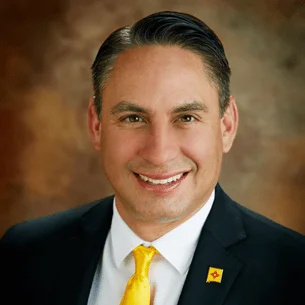
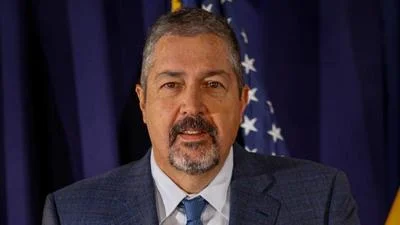
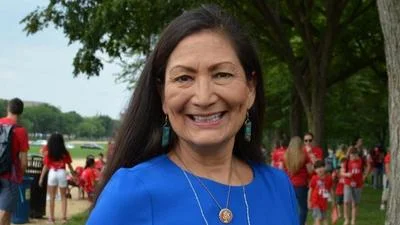
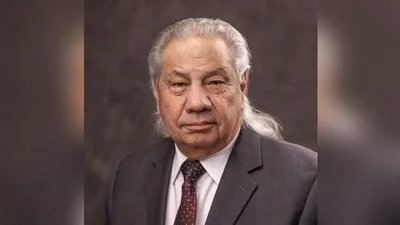
This program includes participants from various schools within HSC: Sarah Llanque-White from the College of Nursing, Claudia B. Pratesi from the College of Population Health, Elba L. Saavedra Ferrer from the Comprehensive Cancer Center, and Nicole Lee from the School of Medicine. Each scholar will participate in a personalized career development track focusing on research, interprofessional education, medical leadership, or teaching. They are also required to complete a mentored scholarly project and attend weekly online sessions as part of ECHO for FACULTY.
Sarah M. Llanque-White described her motivation for joining: “As an Aymara Native American associate professor of nursing and a family nurse practitioner serving American Indian communities, I understand firsthand the importance of representation in both health care and academia,” Llanque-White said. “Throughout my career, I have witnessed the profound impact that culturally grounded care and mentorship can have on students and patients from Indigenous backgrounds. Yet, I also recognize the persistent lack of Indigenous voices in academic leadership roles, especially in nursing education.
“This program offers a powerful opportunity to strengthen my capacity to lead, mentor, and advocate within institutions that have historically marginalized Native perspectives. I am particularly drawn to the program’s mission to advance diversity in the professoriate and to support scholars who bring lived experience, cultural insight, and a commitment to equity into their academic roles. By participating, I hope to not only enhance my own leadership development but also help create pathways for more Indigenous students and faculty to thrive in higher education and health professions.”
Claudia B. Pratesi highlighted her reasons for applying: “I applied for and was thrilled to be selected for the Academic Faculty Scholars Program because I value opportunities for structured reflection, collaboration, and growth within a diverse community of educators,” Pratesi said. “As someone committed to advancing public and planetary health through teaching, research and service, I see this program as a meaningful way to strengthen my skills as an academic leader. It offers tools and mentorship that will support my goals of creating equitable learning environments, building interdisciplinary programs, and mentoring the next generation of public health professionals.”
Elba L. Saavedra Ferrer shared her perspective on how participation would benefit her: “I sought to improve my ability to navigate the complexities of academia, overcome obstacles and achieve my professional goals,” Saavedra Ferrer said. “It was appealing to me to know that a program could provide this type of support and resources needed to thrive in an environment that may not always be equitable or inclusive.
“I firmly believe that as a result of this program, I will enhance my academic networking and foster meaningful collaborations that will improve my success.”
Nicole Lee noted her appreciation for institutional support: "I learned about the Faculty Scholars Program from a superior in my division,” Lee said. “I am thankful that my place of work is supportive of an opportunity such as this. Particularly an opportunity that would provide protected time to not only learn and be mentored on career development, but to have the opportunity to collaborate with and learn from faculty from other schools across the health sciences campus. It is rare to have dedicated time to learn about topics pertaining to career development and being able to interact with faculty from other schools in a low stakes setting. I look forward to the conversations to be had through this program with the cohort selected this year."
The Academic Faculty Scholars Program is part of the New Mexico Workforce Diversity Center of Excellence with funding provided by the Health Resource and Service Administration. The initiative supports UNM's strategic goal focused on inclusive excellence by prioritizing diversity among faculty through recruitment efforts as well as professional development aimed at addressing historical inequities.
The current cohort recently completed their Mentoring Development ECHO Series where they received guidance from senior faculty on mentoring underrepresented groups within academia.
The program is now entering its third year; recruitment for future cohorts will begin early next year.