On November 19, 2025, the Klamath Tribes filed a motion in Klamath County Circuit Court to amend their petition regarding recent decisions in the ongoing Klamath Basin Adjudication (KBA). The motion seeks to overturn orders that removed Administrative Law Judge Joe Allen from handling KBA cases. This action follows a confidential agreement between the Oregon State Office of Administrative Hearings and certain Upper Klamath Basin water users.
In August 2025, Chief Administrative Law Judge Jeffrey Rhoades replaced Judge Allen as presiding judge for the KBA. This decision came after two prior administrative rulings in November 2024 and March 2025 had rejected challenges by the Upper Basin Irrigators to Judge Allen’s role and had affirmed his continued oversight of the proceedings. After losing these challenges, the Upper Basin Irrigators filed a lawsuit in Marion County Circuit Court against Rhoades and his office (Case No. 25CV20984), seeking Allen’s removal from the case.
Instead of contesting this suit in court, officials at the Office of Administrative Hearings reached a private settlement with the Upper Basin Irrigators that resulted in Judge Allen's removal. Other parties involved in the adjudication process—including the Klamath Tribes and federal representatives—were not informed or included in this agreement.
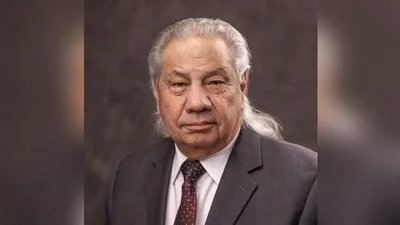
Klamath Tribes Chairman William E. Ray commented on these developments: “It was unconscionable for Judge Rhoades to remove Judge Allen from presiding over the long-running Klamath Basin Adjudication cases on the basis of a secret agreement reached in a separate case. These orders were done in violation of Oregon law, judicial ethics, and the Klamath Tribes’ due process rights,” he said. “Any agreement reached in the Marion County Circuit Court case should have been disclosed to the parties in the Klamath Basin Adjudication, including the Tribes and United States, before Chief ALJ Rhoades acted.”
Oregon law requires administrative law judges to disclose any off-the-record communications or agreements with parties involved in their cases to all other participants.
The situation has led to concerns about whether state-level processes can provide an impartial venue for resolving tribal water rights claims under federal law. The McCarran Amendment allows such rights to be decided by state courts if those forums are adequate for all parties involved.
The broader dispute centers around longstanding efforts to determine how much water is reserved for tribal use within the basin—a legal process dating back several decades involving both state administrative hearings and court proceedings.