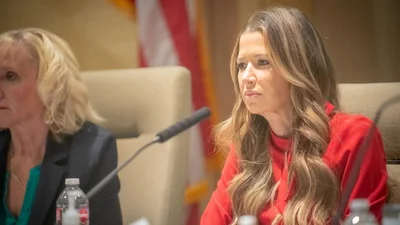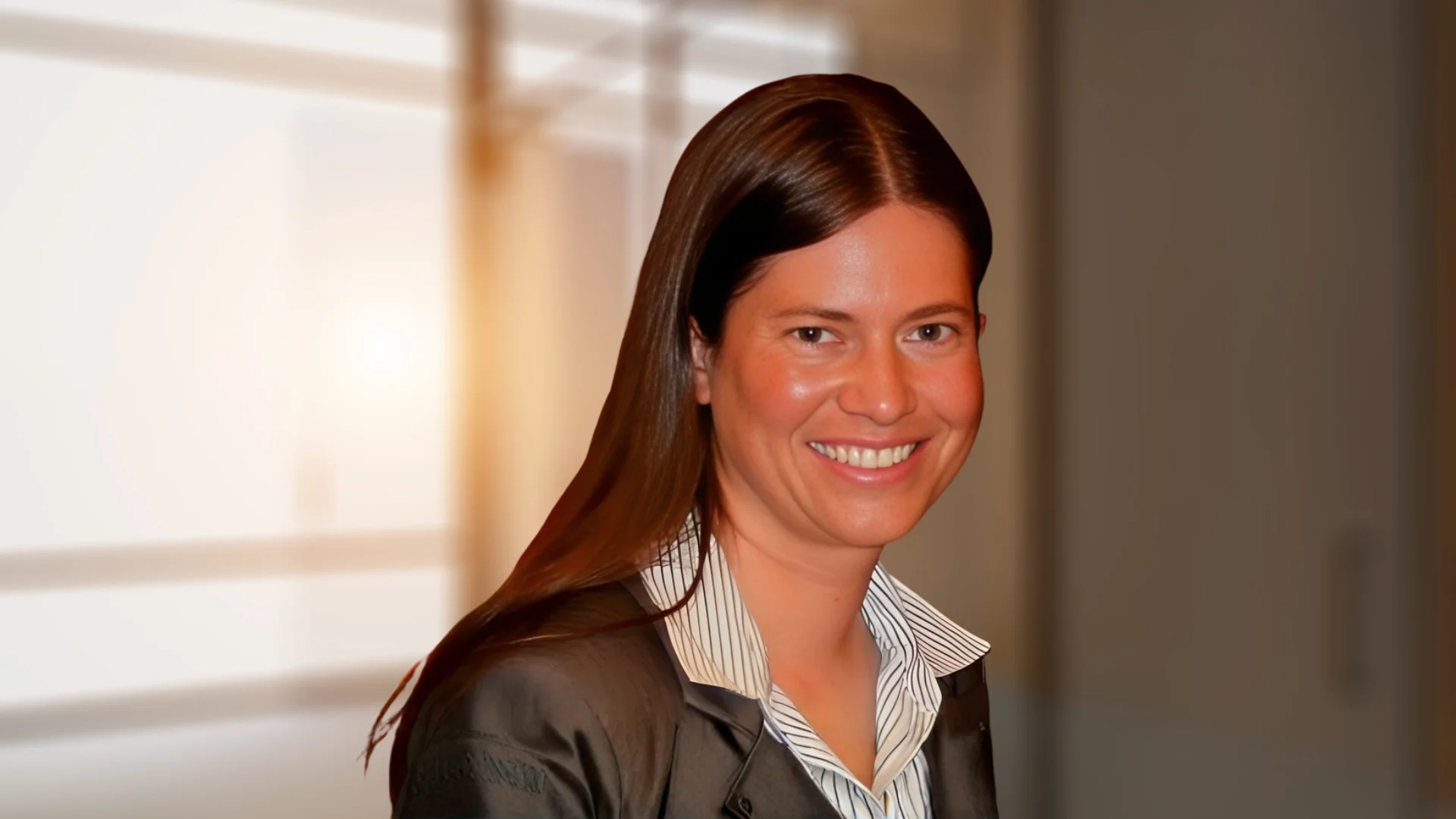
Associate Director of Think New Mexico, Kristina Fisher, has advocated for the state to replace its fragmented capital spending system with a statewide, prioritized plan that fully funds major infrastructure needs. Fisher made her statement on a podcast.
"We should have a statewide capital plan, fund things in priority order, fully fund them, get them done," said Fisher. "Instead, we split the capital dollars across all 112 legislators and the governor, funding little piecemeal things like sidewalks or playgrounds, and not the big things. That's something we find a really important reform that's needed because we're spinning our wheels and not getting those big things done."
In New Mexico, the capital outlay system has long been criticized as "archaic, parochial and highly political," due to a process where each legislator and the governor select specific infrastructure projects—commonly referred to as the "Christmas Tree Bill"—rather than employing statewide merit-based planning. According to Think New Mexico and legislative analysts, this earmark-driven approach leaves billions in appropriations unspent and undermines coordinated investment in water systems, flood control, and underserved communities.
As of June 2025, data from the Legislative Finance Committee indicate that approximately $7.2 billion remained unspent in the state's capital-outlay appropriation pool across nearly 6,500 active projects. In the same year, local governments submitted about $3.9 billion in funding requests while under $600 million was available—demonstrating that only about 15% of requests could be funded. A report by Source NM highlights these figures as evidence of the mismatch between project demand and available capital, raising concerns about the effectiveness of legislator-directed spending.
A December 2023 memo by the state's Legislative Finance Committee noted that outstanding capital outlay appropriations in New Mexico exceeded $5 billion. Many funds were designated for small projects and equipment rather than large infrastructure or water systems—contrasting with other states that use more centralized planning and prioritize large-scale, high-impact projects. These trends suggest that the traditional earmark model may impair the state's ability to fund major infrastructure efficiently.
Kristina G. Fisher serves as Associate Director of Think New Mexico and has been with the organization for many years. She graduated first in her class from the University of New Mexico School of Law and has served on environmental-justice initiatives and with the Albuquerque Wildlife Federation. She oversees leadership internships and policy advocacy within the think tank. According to her staff profile at Think New Mexico, she is deeply involved in land, water, and infrastructure reform work.