The New Mexico Legislature is set to convene for a special session on October 1, called by Governor Michelle Lujan Grisham. This marks the seventh special session during her tenure as governor.
The agenda for this session will focus primarily on addressing federal budget cuts and their impact on health care delivery in the state. While there was discussion about including broader topics such as public safety measures, immigration detention centers, and interstate medical compacts, Democratic legislative leaders decided these issues should be addressed during the regular session scheduled for January 2026.
Key items to be discussed include providing stabilization grants to rural hospitals at risk due to federal funding reductions, making health insurance premiums more affordable by adjusting eligibility for Advanced Premium Tax Credits (APTCs), restoring funding for food assistance programs affected by federal cuts, supporting public broadcasting after elimination of federal funds, ensuring resources for Medicaid enrollment changes, and granting authority to the Department of Health to deliver vaccines.
Estimates suggest that backfilling lost federal support could cost upwards of $400 million. Without additional state funding, Affordable Care Act premiums could rise by as much as 75%, which would make health insurance unaffordable for many residents and increase uncompensated care at hospitals—especially those in rural areas. Nearly 40% of New Mexicans are enrolled in Medicaid coverage.
Republican leaders have criticized the narrow scope of the session’s agenda. They argue that urgent issues like juvenile crime reform, medical malpractice reform, child-care reform, and interstate medical compacts should also be considered now rather than waiting until next year. Republicans plan to introduce their own package of bills covering these topics but acknowledge it is unlikely they will be deemed relevant or receive hearings during this special session.
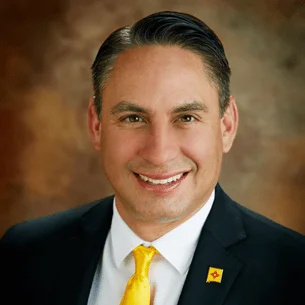
Senate Majority Leader Peter Wirth (D-Santa Fe) commented: “While recent policy decisions out of Washington threaten to set us back, the special session provides us with an opportunity to take the first steps toward long-term stability for working families, rural communities and vulnerable populations across New Mexico. We are fortunate our state is in a strong financial position to help shield New Mexicans from these harmful federal cuts and policies that would otherwise undermine access to health care, nutrition assistance, vaccines and public media access.”
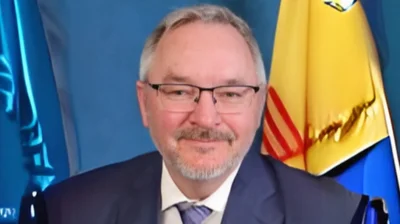
Senate Minority Leader William Sharer (R-San Juan) stated: “While I have questions about the timing and necessity of the special session, I’m always willing to come to the table when there’s an opportunity to address real challenges facing New Mexico families. Failing to address some of the Republican priorities is going to make the special far less special for New Mexicans seeking results, but we’ll work with what’s on the agenda and focus on practical solutions.”
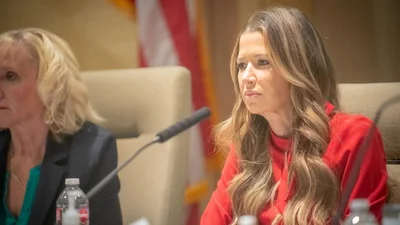
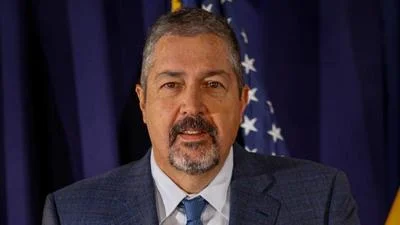
The House will lead efforts on a bill designed to offset federal reductions; House Appropriations and Finance Chair Nathan Small (D-Dona Ana) will sponsor this measure while House Majority Floor Leader Rep. Reena Szczepanski (D-Santa Fe) will carry legislation related to APTCs. In the Senate, Sen. Liz Stephanics (D-San Miguel, Santa Fe, Torrance & Valencia) will handle legislation aimed at supporting rural hospitals.
The cost of operating a special legislative session is estimated at around $60,000 per day.
Recent history shows that previous special sessions under Governor Lujan Grisham have addressed COVID-19 relief measures (June 2020), cannabis regulation (July 2021), redistricting (December 2021), cost-of-living relief (April 2022), and public safety issues (July 2024).
Lawmakers aim to complete their work before Friday due in part to logistical constraints associated with Albuquerque’s International Balloon Fiesta beginning Saturday.