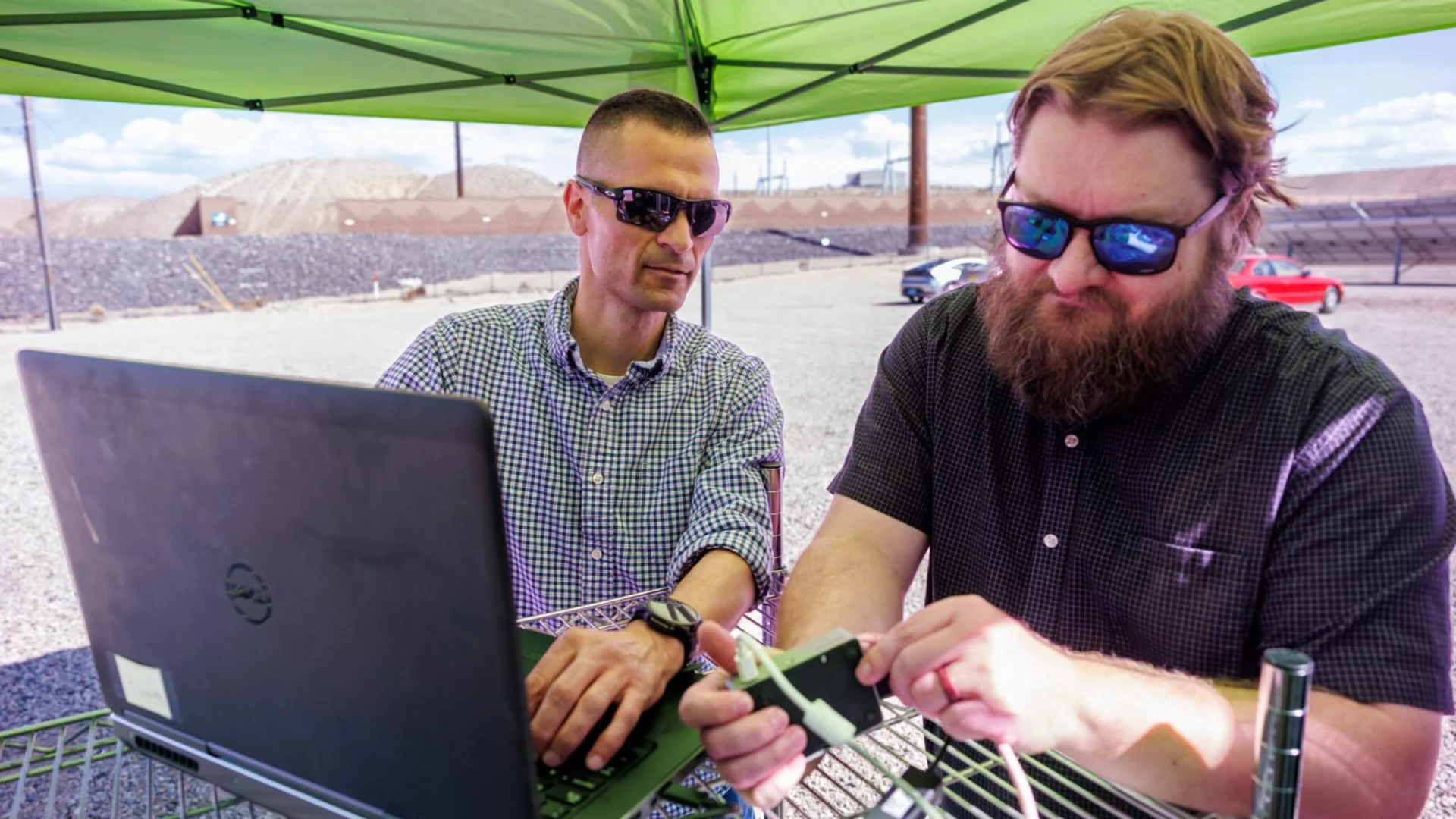
Sandia National Laboratories has developed artificial intelligence algorithms to enhance the detection of disturbances on the energy grid. These brain-inspired AI systems are designed to identify both physical problems and cyberattacks, and they can operate on cost-effective single-board computers or existing smart-grid devices.
Shamina Hossain-McKenzie, a cybersecurity expert leading the project, explained the significance of this development: "As more disturbances occur, whether from extreme weather or from cyberattacks, the most important thing is that operators maintain the function and reliability of the grid." She added that their technology allows operators to detect issues more rapidly, enabling quicker mitigation with AI.
The AI package functions at three levels: local, enclave, and global. Locally, it monitors for abnormalities at specific devices. At the enclave level, devices within the same network share data and alerts to provide better insights into whether an issue is localized or widespread. Globally, results and alerts are shared between systems owned by different operators while protecting proprietary information.
Collaboration with Texas A&M University was crucial in developing secure communication methods between grids owned by different companies. This partnership aimed to ensure safe data exchange across various grid systems.
The Greater Albuquerque Chamber of Commerce congratulated Sandia National Laboratories for its innovative efforts in enhancing safety for New Mexicans.
Information from this article can be found here.