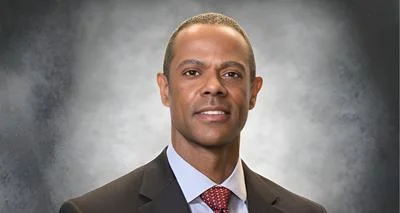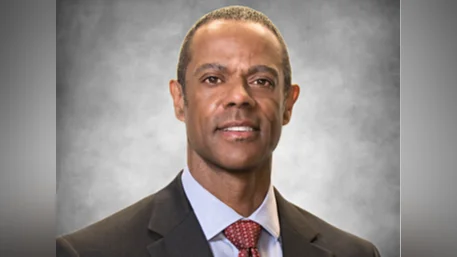
Jason R. Bowie, Cabinet Secretary | New Mexico Department of Public Safety
For those entering the Basic Police Officer Training at the New Mexico Law Enforcement Academy, meeting physical fitness standards is more than an entry requirement; it is considered a long-term commitment.
Cadets from local, state, and tribal law enforcement agencies in New Mexico must pass entrance standards two weeks before training begins. These include completing 15 push-ups and 27 sit-ups in one minute each, running 1.5 miles in under 15 minutes and 54 seconds, and finishing a 300-meter sprint in less than 71 seconds.
Ronaldo Ulibarri, lead instructor at the academy under the New Mexico Department of Public Safety, emphasized that this commitment to fitness parallels the dedication required for a career in law enforcement. “This is a commitment to fitness, just like the commitment to the overall profession to be a law enforcement officer,” said Ulibarri. “Once someone has made the decision to enter the profession of law enforcement, things need to change. You need to train and prepare specifically to be in the best physical condition you can be to enter."
Ulibarri noted that cadets who only meet minimum requirements often struggle as training intensifies. "It has been my experience since I’ve been an instructor that the cadets who enter performing the bare minimum tend to struggle to meet fitness milestones throughout the entire training cycle. Just because you meet the minimum fitness requirements doesn’t mean they are not going to intensify as the training program progresses.”
The program increases demands as it progresses. By mid-point, cadets must complete 20 push-ups and 32 sit-ups per minute, run 1.5 miles in under 15 minutes and four seconds, and finish a 300-meter sprint within 67.5 seconds. Graduation requires even higher standards: 25 push-ups and 37 sit-ups per minute, a 1.5-mile run in less than 14 minutes and 15 seconds, and a sprint completed in under 64 seconds.
“If you come at a level of fitness much better than the minimum standard you don’t tend to struggle fitness-wise, and you can focus on other things like academics and practical exercises,” said Ulibarri. He added that age or prior life experience does not always predict success during training.
Ulibarri also advises future cadets on nutrition: “Something to consider is changing your diet, eating healthier so that your body performs the way you should because you’re now increasing the physical demands and stress on your body and if you don’t have the right fuel, it could become counterproductive.”
He provides counseling upon entry into the academy: “Yes, I do give them a pep talk upon successful entry into the academy,” he said. “I tell them just because you met the minimum standard doesn’t mean you get to slack on your fitness. Continue eating healthy and continue your PT that got you to this point because once you get in the training, you participate in physical fitness training every single day at 5 a.m. for the full 17 weeks.”
Physical training at the academy includes kettle bell exercises, cross-fit routines, zone runs, and targeted upper/core/lower body workouts aimed at building strength while preventing injuries.
“Aside from overall fitness, the program here also helps cadets establish a healthy lifestyle outside the academy,” Ulibarri said. “Some of these fitness regimens we put them through for the training, they are easy enough to remember to establish that foundation so they know how to continue physical fitness upon graduation and entering into their career.”
One challenge identified by Ulibarri is core strength development: “It’s an area that is tricky to train,” he said about sit-ups. “Of course, the only way you get better at sit-ups is by doing sit-ups. It is generally disregarded as an area of concern – ‘sit-ups, that’s no problem,’ well when you are under time constraints sit-ups can be more challenging. It’s something that you need to prepare and train for just like anything else. I don’t think folks put as much effort or preparation as they should prior to coming here."
He concluded with advice for those considering law enforcement careers: “You’ve got to prepare yourself and put some thought into entering a profession you’re trying to navigate and a commitment to health and wellness for the rest of your life.”