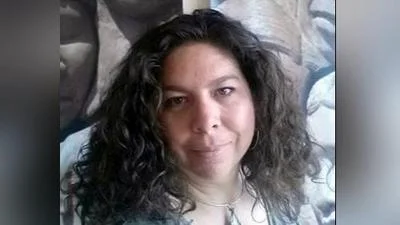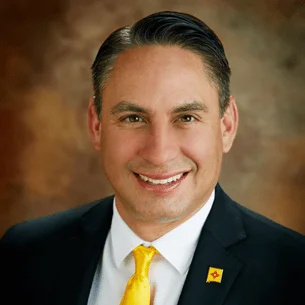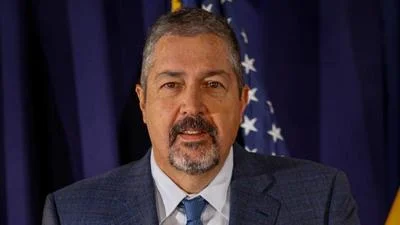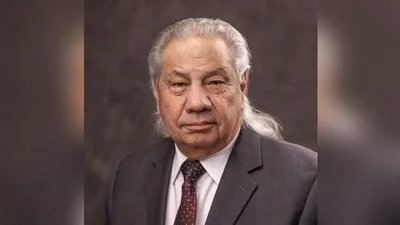
At a recent professional conference in Phoenix, Arizona, graduates of The University of New Mexico's Orthopaedic Trauma Fellowship gathered to mark the program’s 20th anniversary. The dinner included Thomas DeCoster, MD, the program’s founder and a recently retired professor from the Department of Orthopaedics & Rehabilitation at the UNM School of Medicine.
David Chafey, MD, who has directed the trauma fellowship since 2018 and is also a professor in the department, described DeCoster as an influential mentor. “Tom makes you challenge your thinking, even when you feel prepared and confident,” Chafey said. “I felt like I was finished with my training but still had plenty to learn from him, due to his often intimidating and commanding presence.”
Chafey credited DeCoster for encouraging research among fellows over the years. He noted that gatherings such as the annual meeting of the Orthopaedic Trauma Association provide opportunities for professionals to stay informed about advances in their field.
Orthopaedic trauma focuses on treating severe injuries such as pelvic fractures, crushing injuries, and gunshot wounds—conditions that can threaten both limbs and lives. Chafey explained that while standard orthopaedics residency lasts five years with limited exposure to trauma cases, UNM’s one-year fellowship offers intensified experience. Fellows may perform more than 100 pelvic fracture surgeries within a year.
“We’ve been pretty excited with the last 10 years of fellows that come through our program,” Chafey said. “They’re just outstanding, young surgeons who are ready to be out in practice, but they're taking a year of their life to hone their skills and get more exposure so they can get better at particular things.”
UNM Hospital serves as New Mexico’s only Level I trauma center. According to Chafey, this status provides significant opportunities for advanced training: “We’ve had one fellow graduate with 140 operative pelvic fracture surgery cases in a year,” he said.
DeCoster started the fellowship in 2004 when orthopaedic trauma was emerging as a distinct sub-specialty requiring further training beyond residency. UNM’s program is now one of 66 similar fellowships nationwide and enrolls one fellow each summer.
Chafey emphasized how DeCoster’s rigorous mentorship style contributed to graduates’ success: “To this day, the residents are like, ‘Oh boy, Dr. DeCoster’s on the conference call,’” he said. “‘I better come up with a comprehensive answer or he is going to interrogate me until he reaches the limits of my knowledge.’”
Currently six surgeons at UNM specialize in orthopaedic trauma. “We’re treating the most complex injuries in the state, but we also help with a variety of common fractures to help patients regain their function,” Chafey said.