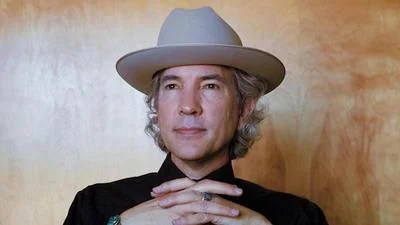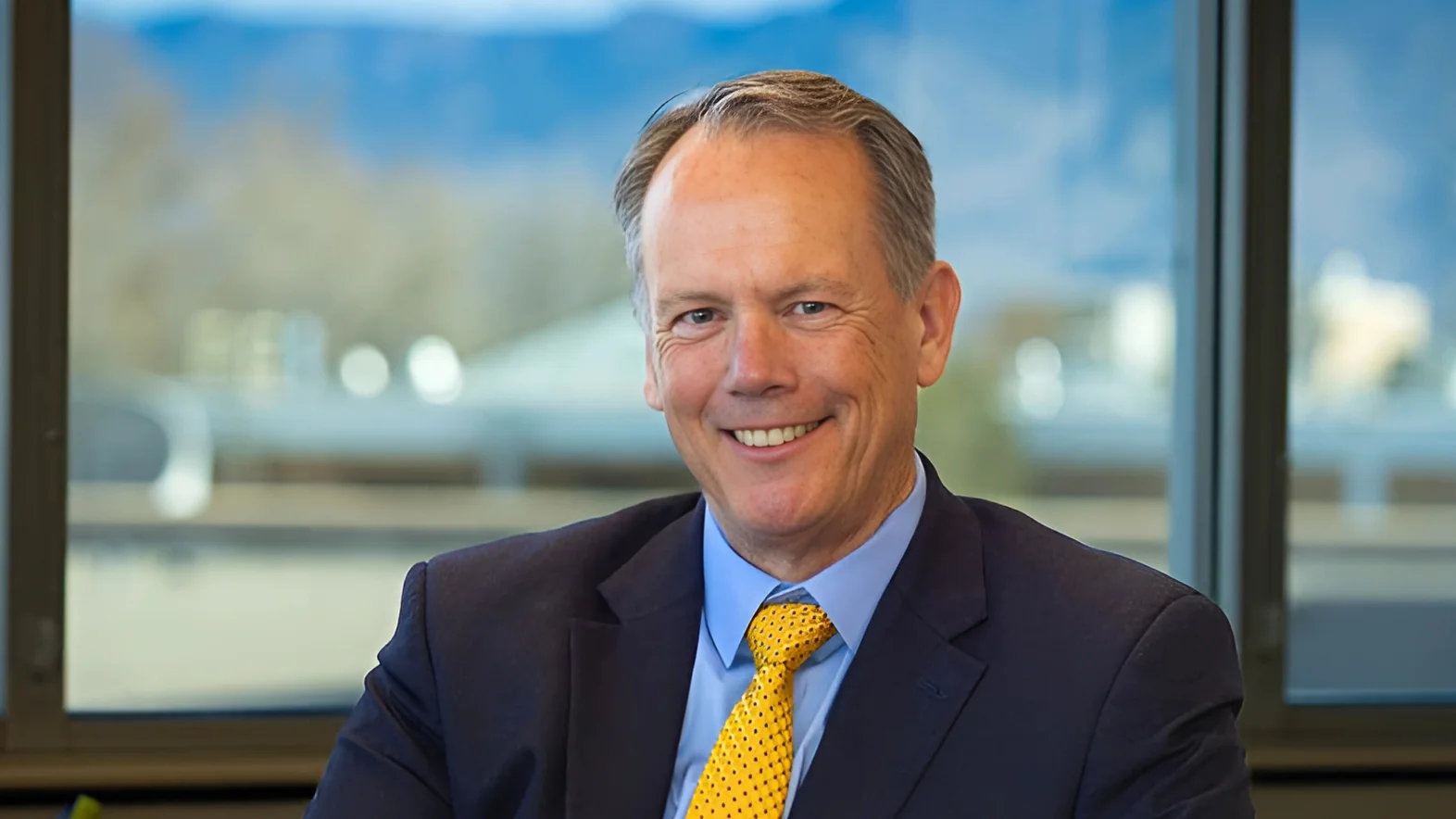
Davin Quinn, MD, a professor at The University of New Mexico (UNM) School of Medicine and clinical psychiatrist, is leading four new studies focused on predicting and treating suicidal ideation among U.S. Veterans. These studies are grouped under the project titled “Precision Phenotyping of Behavioral Risk and Response to Electromagnetic and Psychedelic Therapies” (PRE-EMPT), which is funded by a $5.9 million grant from the U.S. Department of Defense.
Quinn said he was surprised to learn during a research meeting that the leading cause of medical evacuations for deployed U.S. military service members is not physical injuries but suicidal ideation. “It’s not traumatic brain injury. It’s not hemorrhage. It’s not wounds. It’s not blast. It’s suicidality,” Quinn stated.
The PRE-EMPT project aims to analyze Veterans’ genetics, brain structures, and psychological states to better understand suicide risk factors and develop more effective treatments.
“There are a lot of things that we can do to help those people not feel so distressed, not feel at their wit’s end, like this is the only option left to them,” said Quinn.
He noted that suicide rates among Veterans have increased over the past 20 years: “It’s been a big problem for the military over the last 20 years,” Quinn said. “The rates of suicide in Veterans and military service members have increased overall.” According to the U.S. Department of Veterans Affairs’ 2024 National Veteran Suicide Prevention Annual Report, an average of 17.6 U.S. Veterans died by suicide each day in 2022 out of an overall adult daily average of 131.2 deaths nationwide.
In New Mexico alone, there were 67 Veteran suicides reported in 2022.
The four PRE-EMPT studies use different approaches:
- Transcranial Magnetic Stimulation (TMS): A non-invasive treatment where magnetic fields generate electric currents in specific brain areas.
- Functional Magnetic Resonance Imaging (fMRI) Neurofeedback: Participants see real-time images of their amygdala activity while inside an MRI machine and attempt to regulate it through thought.
- Psilocybin-Assisted Therapy: Participants receive guided psychedelic therapy with psilocybin followed by psychotherapy.
- Multimodal Data Analysis: This study integrates data from clinical symptoms, neuroimaging, and blood samples analyzed using deep learning methods developed with Georgia State University partners.
Researchers will measure changes in participants’ suicidal thoughts, attention, memory, and decision-making before and after treatments.
Quinn emphasized that New Mexicans could benefit from these studies due to the state’s significant military population associated with its bases and national laboratories. He noted that “New Mexico Veterans have higher rates of suicide compared to other Veterans,” highlighting New Mexico's position among states with some of the highest suicide rates nationally.
He added that partnerships with organizations such as Georgia State University, Washington University in St. Louis, New York University, the New Mexico VA Health Care System, and Albuquerque's Mind Research Network were possible thanks to UNM School of Medicine's support for collaborative research efforts.
“The School of Medicine is present in everything that I do,” Quinn said. “It supports our research endeavors here. It supports my clinical work that feeds into the research.”
“Being part of this academic center is what gives us the credibility and the reputation to have those kinds of collaborations,” he added.
Enrollment for PRE-EMPT studies is scheduled for spring 2026; interested U.S. Veterans must already be engaged with a mental health provider before enrolling for safety reasons.
Quinn shared messages directed at Veterans: he thanked them for their service; encouraged anyone struggling with suicidal thoughts to seek help; expressed gratitude toward those who participate in research; and asked others to consider contributing so science can improve support systems for Veterans:
“We, along with all the other people here in the medical community, are here for them,” he said.
“I just want to say we have immense gratitude for our Veterans, and continue to encourage them to help us contribute to the science so that we can do a better job helping them.”