The Environmental Protection Agency (EPA) and the Army Corps of Engineers have proposed changes to the definition of “Waters of the United States” (WOTUS) under the Clean Water Act. These changes would reduce the number of water bodies protected by federal law, a move that could have immediate and significant effects on Tribal Nations.
A webinar hosted by the National Congress of American Indians (NCAI) and the Native American Rights Fund (NARF) will address these proposed regulatory revisions. The discussion will focus on how narrowing federal jurisdiction may remove protections from streams and wetlands important for Tribal reserved rights such as hunting, fishing, and gathering. According to organizers, “The resulting definition threatens to strip federal protection from streams and wetlands vital to Tribal reserved rights including hunting, fishing, and gathering by eliminating key jurisdictional standards.”
The session is scheduled for Tuesday, December 9th at 12 pm PT / 3 pm ET. It aims to help Tribal leaders, legal counsel, and environmental staff understand the implications of the new rule—particularly as it seeks to codify the Supreme Court’s 2023 decision in Sackett v. EPA—and guide them in submitting public comments before the January 5, 2026 deadline.
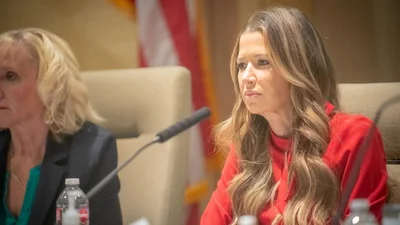
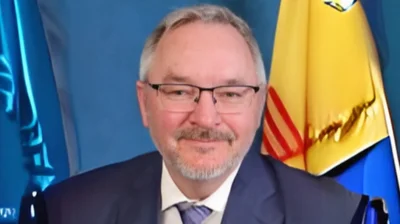
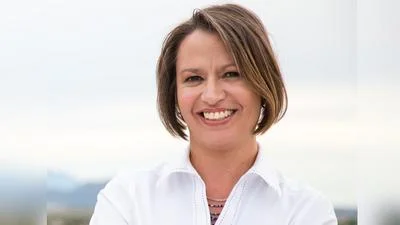
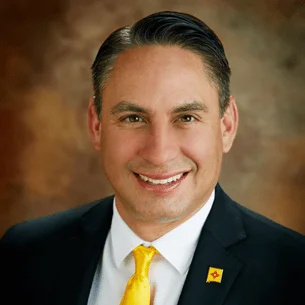
Panelists include Daniel Cordalis from NARF; Ken Norton from Hoopa Valley Indian Tribe; Janette Brimmer, an attorney with Earthjustice; and Donna Downing from the National Association of Wetlands Managers.
Organizers state that participants will learn about “the Proposed WOTUS Standard: A legal and policy deep dive into the new interpretation of WOTUS, focusing on the narrow ‘relatively permanent’ and ‘continuous surface connection’ tests.” The event will also cover threats to Tribal sovereignty as a result of shifting regulatory burdens onto Tribal Nations. Guidance will be provided on how to draft formal comments asserting Tribal governmental authority regarding environmental programs.
“Join NCAI and NARF in this critical partnership. Register now to coordinate your efforts with national Tribal advocacy and legal strategies,” organizers said.