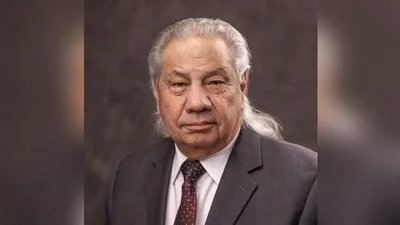
Jim Winchester Executive Director | Independent Petrolium Association of New Mexico
Are New Mexicans at risk due to the current state of the energy grid? According to leaders from three energy organizations, concerns are rising over the health and safety of vulnerable residents during power outages.
Many individuals in New Mexico rely on medical equipment such as ventilators, dialysis machines, and CPAP devices that require a constant supply of electricity. When outages occur, these people face serious risks. The U.S. Department of Health and Human Services monitors Medicare patients who depend on home medical devices, reporting that nearly 50,000 people in New Mexico—about 10% of Medicare recipients—are at heightened risk during blackouts. This percentage is the third highest in the country.
Power outages are not rare events in the state. They can be triggered by severe weather, aging infrastructure, or increased demand on the grid. In April last year, residents in Northern New Mexico experienced a two-day blackout. Utilities attempt to warn communities ahead of time, but many vulnerable individuals may not receive timely notifications.
A significant obstacle to improving grid reliability is the permitting process for new projects designed to strengthen electrical infrastructure. Multiple layers of government oversight and lengthy environmental reviews often slow progress. Lawsuits filed by activist groups can add further delays.
Lawrence Berkeley National Laboratory found that only one out of every five transmission projects planned between 2000 and 2017 became operational by late 2022. Research from Stanford University indicates that almost one-third of major energy and infrastructure projects face legal challenges before construction even starts.
One example cited is the SunZia transmission line across New Mexico, which took 17 years to complete due to extended environmental reviews and litigation.
The oil and natural gas sector faces similar difficulties. Nationally, natural gas generates about 43% of electricity; in New Mexico, it accounts for roughly 29%. While natural gas remains a reliable source for powering grids, regulatory hurdles and lawsuits hinder efforts to meet growing demand.
In 2022, a lawsuit challenged drilling permits in New Mexico and Wyoming based on concerns about wildlife impacts as far away as Hawaii and the Arctic. The case was dismissed by a federal appeals court after three years.
There are ongoing legislative efforts aimed at streamlining permitting processes for energy projects. Bipartisan lawmakers have introduced measures such as the SPEED Act (Standardizing Permitting and Expediting Economic Development) in the U.S. House to help agencies review projects more efficiently. The Problem Solvers Caucus has also proposed policy frameworks supporting electricity and pipeline initiatives.
Senate discussions continue regarding bipartisan proposals from previous sessions. Key figures from New Mexico—including Sen. Martin Heinrich, senior Democrat on the Senate Energy and Natural Resources Committee—are expected to influence any future permitting reform bills.
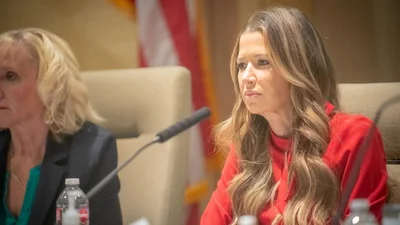
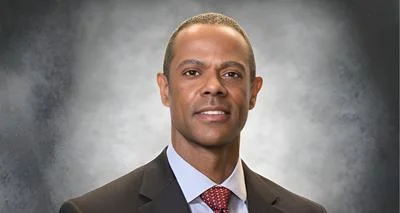
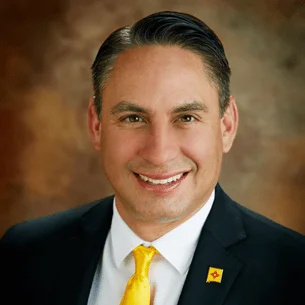
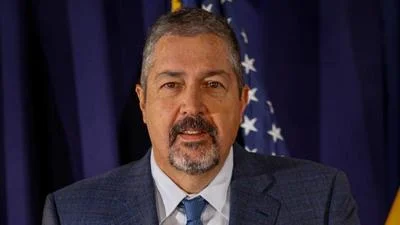
Melissa Simpson (Western Energy Alliance), Missi Currier (New Mexico Oil and Gas Association), and Jim Winchester (Independent Petroleum Association of New Mexico) emphasized: “In this era of political division, bipartisan support is necessary for our country and state to continue to move forward. For thousands of New Mexicans vulnerable to energy emergencies, it’s a step toward greater security and peace of mind.”