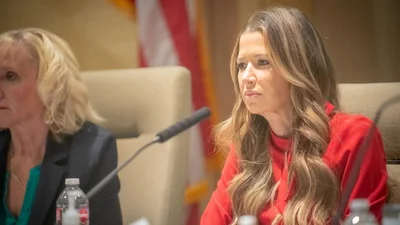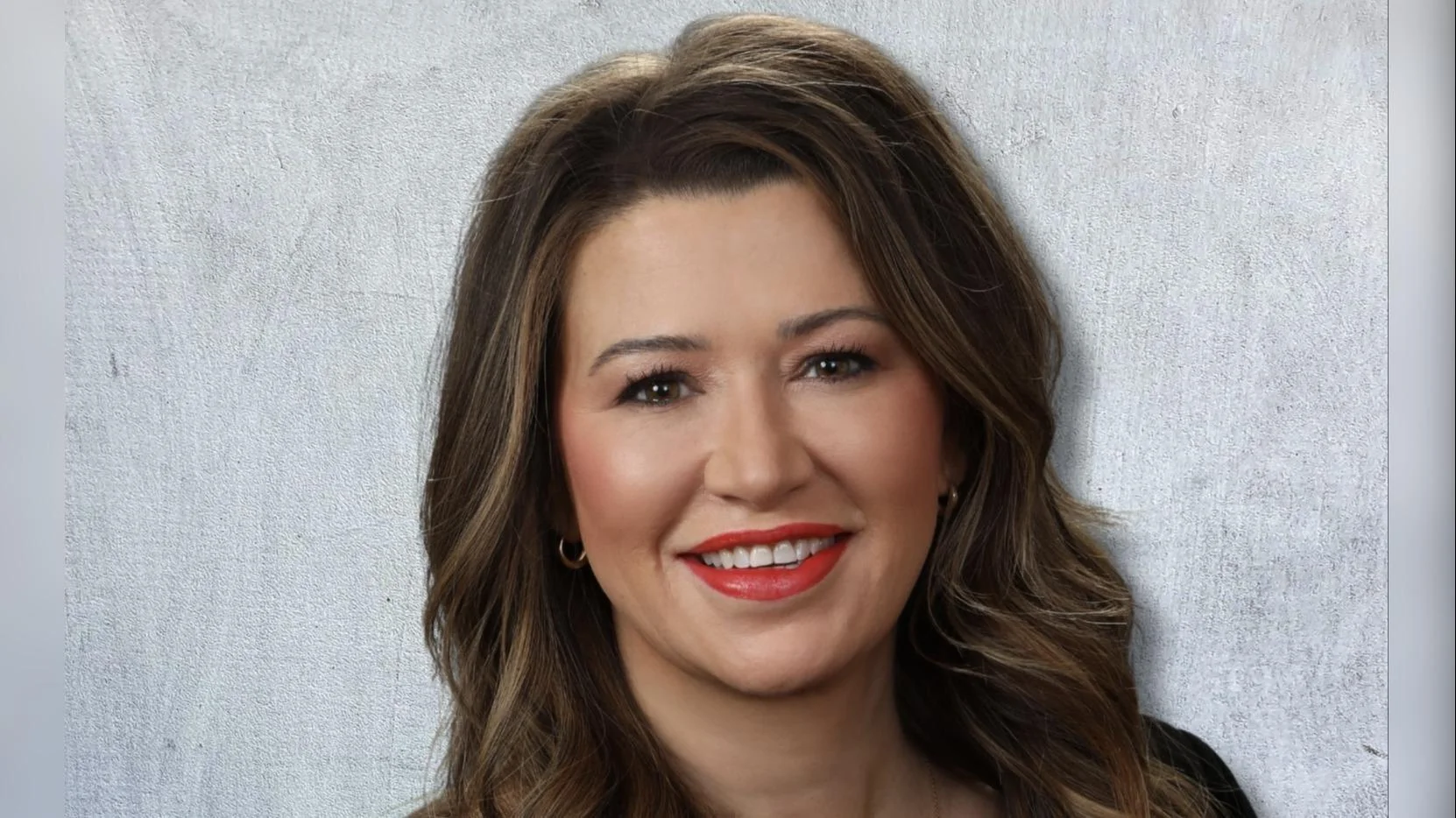
Crystal Brantley, a state senator for New Mexico's 35th District, expressed concerns regarding federal wolf management. She said that the program leaves habituated, collared, and vaccinated animals while incurring high monitoring costs.
"They are domesticated," said Crystal Diamond Brantley, New Mexico State Senator from 35th District (R). "Often these wolves are cage raised. Once they're released, they are vaccinated. It comes at a cost of about a million dollar per year per wolf because, you know, we have we fly helicopters to give flight reports of where they're located."
According to AP News, Catron County in New Mexico declared a public safety emergency following reports from residents about pets being taken and livestock killed near homes by endangered Mexican gray wolves. Local commissioners pointed out the wolves' lack of fear around humans as a significant issue. Despite ongoing hazing and limited compensation efforts by officials, the situation underscores the persistent tension between rural communities and federal recovery plans in the Southwest.
The wild Mexican gray wolf population has been on the rise for nine consecutive years as of 2024, reaching at least 286 wolves across Arizona and New Mexico. This information comes from an annual census conducted by state wildlife agencies. Managers use collars and aerial surveys to monitor wolves' distribution, reproduction, and survival rates to guide conflict-reduction strategies and release programs.
In 2024, officials documented 60 packs and 26 breeding pairs with pup survival rates nearing half. Additionally, there were 99 confirmed instances of livestock depredations. Over approximately 25 years, the binational recovery effort has cost around $203 million. This expenditure reflects investments in monitoring, collaring, conflict response, and outreach efforts as wolf populations have increased.
Brantley represents New Mexico Senate District 35, which encompasses a vast rural area including parts of Catron, Doña Ana, Grant, Hidalgo, Luna, Sierra, and Socorro counties. First elected in 2020, she has focused on issues related to ranching, public safety, and rural priorities.